
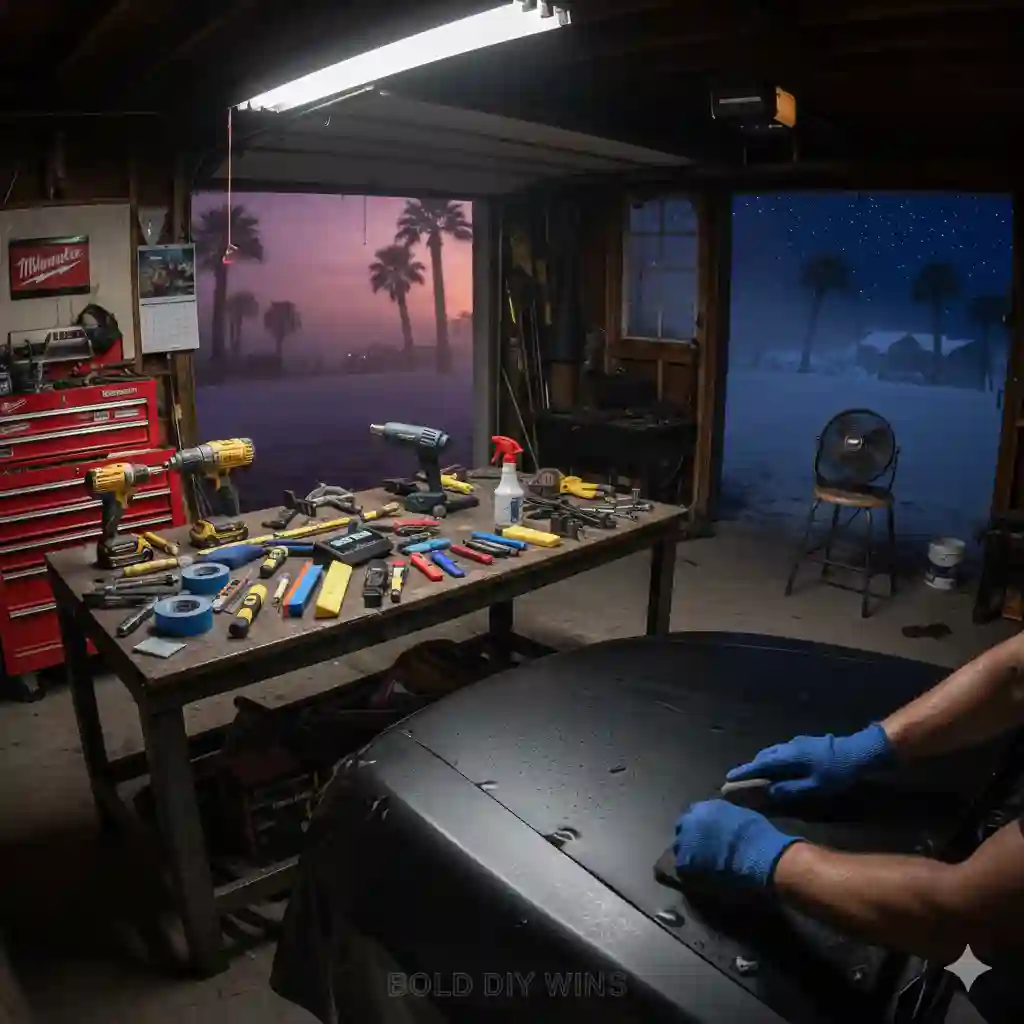
I learned fast that bad tools make wrapping a car feel like a punishment. The vinyl sticks to your fingers, creases show up like wrinkles on a cheap shirt, and every mistake feels expensive.
I did my first wrap job in a hot garage in Ohio. It was a Saturday. I had one fan, one heat gun, and a lot of misplaced confidence.
That experience taught me which car wrap tools actually matter and which ones are just hype on YouTube.
Most people wrapping a car in the U.S. are doing it in a driveway, a shop, or a garage with loud power tools from Milwaukee, DeWalt, or Craftsman lying around. I respect that kind of space. I work in that kind of space.
So here is my honest list of tools, how they work in real conditions, and what they do when you are sweating through a wrap job on a humid Florida night, or trying to heat vinyl in a cold Minnesota winter.
What Tools Do You Need to Wrap a Car?
Sometimes the number of tools scares new people away. But many of the best tools are cheap and simple. That made me feel better when I started, because I already felt overwhelmed.
Heat Gun and Infrared Thermometer
A heat gun softens the vinyl so it stretches and wraps around edges. It feels like magic when it works right.
The thermometer keeps the heat in a safe range. I aim for 140–180°F. I do not guess. Guessing causes vinyl failure.
I wrapped a roof once in January in Minnesota. The vinyl felt like cardboard. The heat gun struggled. I struggled more.
Please don’t use a hair dryer. Unless you like pain and anger.
Squeegees (With Felt Edges)
Squeegees push bubbles out and help the vinyl sit flat on the surface.
I keep three types. Soft, medium, and hard. Each one feels better on different surfaces and shapes.
The felt edge protects the vinyl from scratches. Even cheap wrap costs real money. I do not gamble with it.
Cutting Tools: Knives, Razor Blades, Knifeless Tape
I use 30-degree blades. They are sharp enough to scare you a little. That is a good sign.
Knifeless tape cuts without touching the paint. It saves a lot of stress around body lines.
When scraping glue, I stay patient. One slip is all it takes to cut through the clear coat. I made that mistake once. It hurts to remember.
Magnets and Masking Tape
Strong magnets hold vinyl in place while you adjust it. They save time, sanity, and money.
Masking tape works for mapping, marking, and temporary holding. Cheap, simple, helpful.
It is funny how a $5 magnet prevents a $500 mistake. I learned that on a windy day.
Prep Tools That Make Your Life Easier Before You Even Start
Surface prep feels boring. I do it anyway. Good prep makes wrapping easier, cleaner, and faster. Skip it and the wrap lifts, bubbles, or peels.
Cleaning Solutions and Microfiber Towels
I use isopropyl alcohol between 70% and 90%. It removes wax and grease fast.
I spray the panel and wipe until it squeaks. That sound is nice. It means the surface has no oil left.
Clay Bar for Final Decontamination
A clay bar pulls dirt that a towel misses. I use it near wheels, near trees, and on cars that see winter salt.
Salt feels like sand and sticks to paint. The clay bar cleans it without scratching.
Plastic Razor Blades
Plastic blades remove adhesive without hurting paint.
Metal blades work fast, but they work dangerous. I do not trust myself with them when tired.
Gloves and a Respirator Mask
Gloves stop fingerprints and smudges. They also reduce friction burns from hot vinyl.
A respirator helps inside closed shops in winter. The smell of cleaner builds up fast.
Helpful Application Tools for Tight Spots and Tricky Panels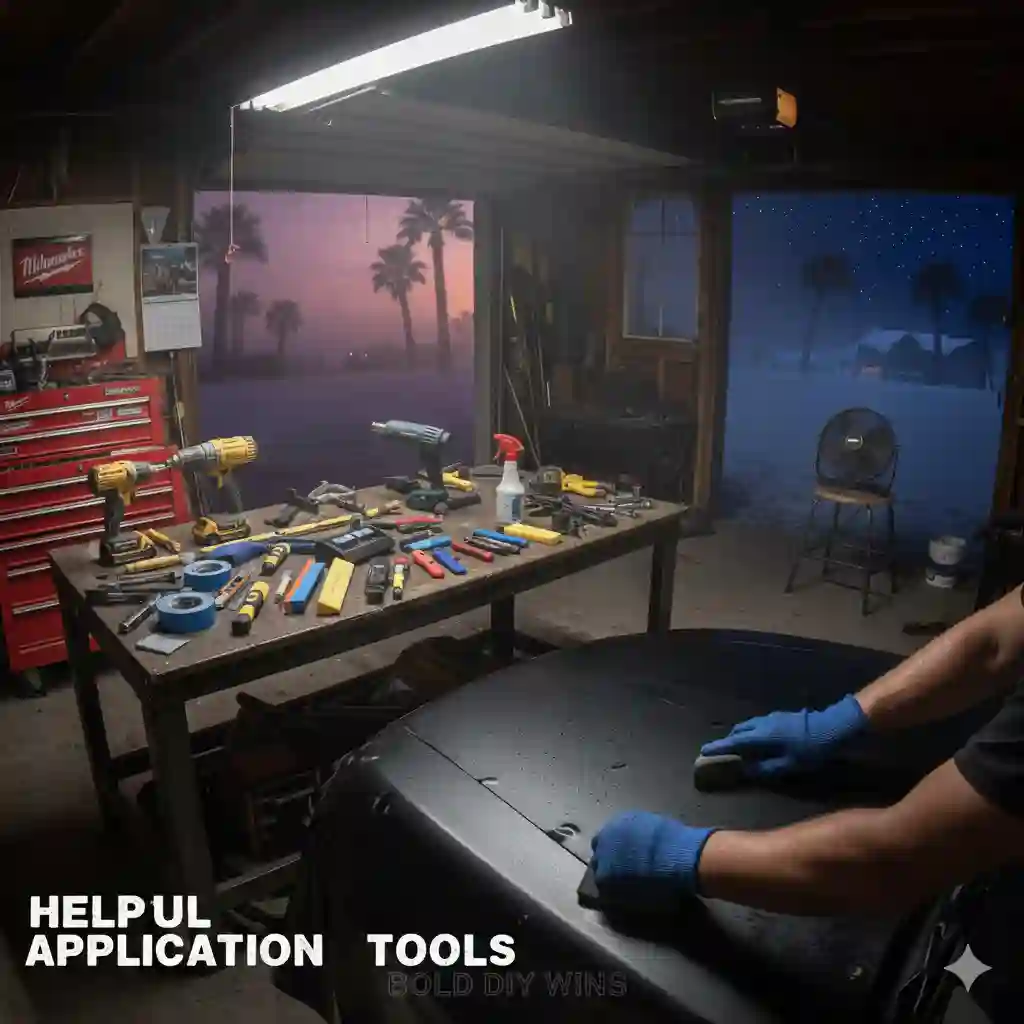
Some parts of a car feel impossible. Door handles. Badges. Deep curves. They test patience and skill.
Tucking Tools and Soft Edge Tools
I use plastic tools to tuck vinyl into seams and around handles.
Metal tools feel sharp and risky. Vinyl tears fast when stressed.
Measuring Tape and Marking Tools
Measure twice. Cut once.
When I forget that rule, I go back to the store and buy more vinyl. Not fun.
Wrap Gloves
Wrap gloves make smoothing easier. They also stop friction burns. Yes, friction burns exist.
I learned that the hard way.
Simple Wrap Kit vs. Piecing Your Own Tools
Kits save time for beginners.
Buying Car Wrap Tools one by one costs more, but you pick better tools.
Either way, it is cheaper than paying a pro.
Real-World Tips From Someone Who Wrapped a Car in a 90°F Garage
I wrapped a black sedan one summer. The garage felt like an oven. The vinyl felt soft and sticky. I questioned my life choices.
Car Wrap Tools helped, but technique and patience saved the day.
Replace Blades Constantly
Dull blades tear vinyl. Sharp blades glide.
I go through more blades than I expect.
Don’t Stretch the Vinyl Too Much
Overheated vinyl feels like pizza dough. It droops and sticks to itself.
Cool air resets the vinyl slowly. I learned to stop rushing.
Map Large Panels Before You Touch Anything
Hood, roof, big doors. I dry-fit each one first.
One bad pull ruins expensive material.
Post-Heat Edges (But Not Too Hot)
Heat locks edges down.
Too much heat creates micro-bubbles and shrinkage. Sad times.
Safety and Workspace Setup (A Lot of People Skip This)
Car wrapping is not dangerous. But a messy workspace makes it a fight. A clean shop makes it calm.
Work Indoors If Possible
Indoors is better. No wind. No dust. No bugs.
Even a basic garage beats a driveway in every season.
Keep Extension Cords Organized
Heat gun cords cause chaos.
Trip once and you will rethink your setup. OSHA would shake its head.
Lighting
Bright shop lights show wrinkles early.
Dark corners hide issues until it is too late.
How Much Does a DIY Car Wrap Tool Kit Cost?
Price matters. But wrapping does not need expensive Car Wrap Tools to start.
Budget DIY Setup ($60–$120)
- Basic heat gun
- Squeegees
- Knifeless tape
- Gloves
Mid-Range Setup ($150–$250)
- Better heat gun
- Multiple squeegees
- Infrared thermometer
Pro-Level Setup ($300+)
- Strong magnets
- Premium blades
- Tools for every panel
Common Mistakes With Car Wrapping Tools (And How to Dodge Them)
Everyone makes mistakes. I made many of them when I rushed.
Using the Wrong Heat
Too cold? Vinyl cracks.
Too hot? It warps.
Not Cleaning Properly
Dirt causes lifting.
Vinyl hates dirty surfaces.
Cutting on the Paint
Cut on tape. Not metal.
That rule saves paint.
Working Too Fast
Vinyl punishes speed.
Slow hands look better.
FAQs Of Car Wrap Tools 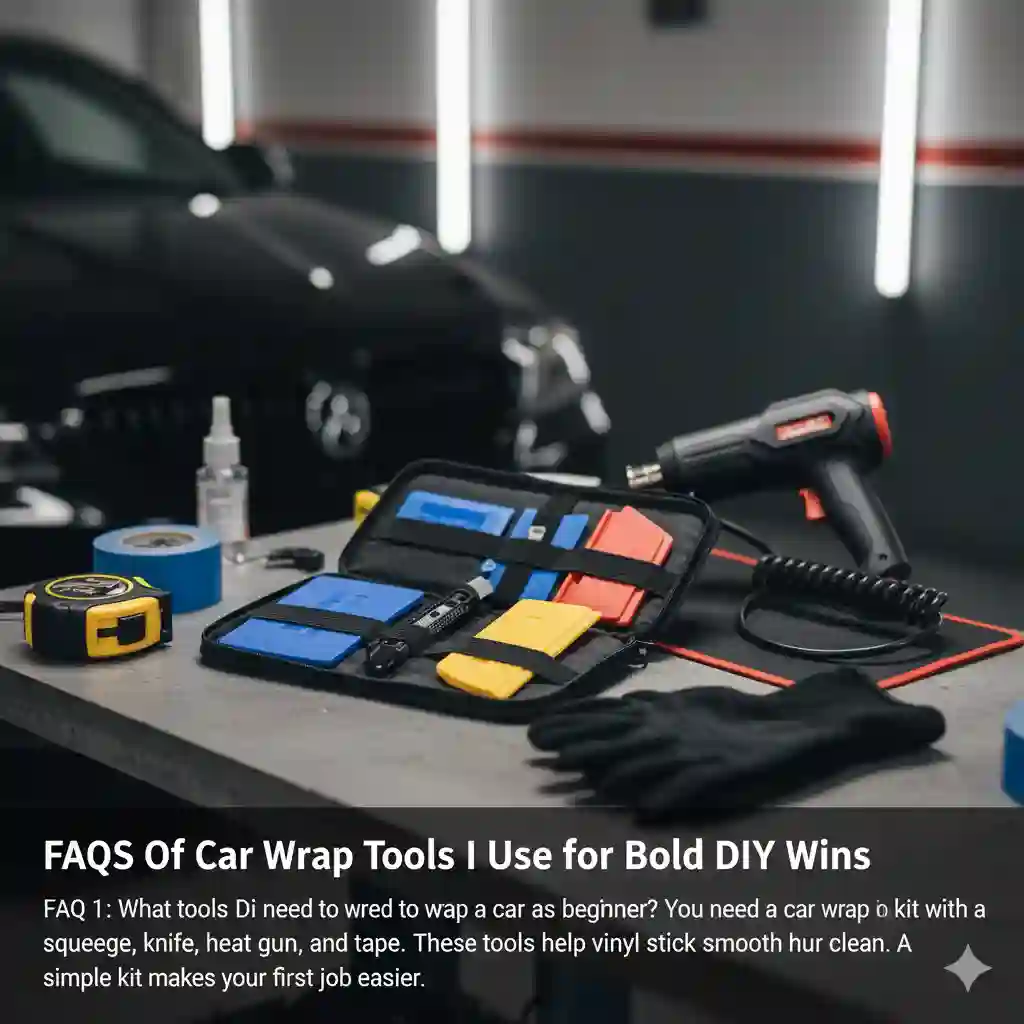
1: What tools do I need to wrap a car as a beginner?
You need a car wrap tool kit with a squeegee, knife, heat gun, and tape. These tools help vinyl stick smooth and clean. A simple kit makes your first job easier.
2: Do car wrapping tools work on cold days?
Cold air makes vinyl stiff. Use heat to warm the wrap. A heat gun helps you bend and stretch it. Many people wait for a warm day or work inside a garage.
3: Are car wrap tool kits worth buying?
A wrap kit saves time. You get Car Wrap Tools that match vinyl work. You can wrap a car with less stress. Many DIY users like it because the Car Wrap Tools help avoid mistakes.
4: Is a heat gun required for car wrapping?
Yes. It makes vinyl soft. It helps you fix bubbles. Many DIY users regret skipping it. A cheap heat gun can work fine for most car wrap jobs.
5: Can I reuse tools for more than one car wrap?
Most Car Wrap Tools last a long time. You can reuse a squeegee, heat gun, and tape. Change blades often for clean cuts. Good tools make wraps look more pro.
Final Thought
If you’re someone who likes hands-on work and wants tools that make car wrapping feel easier and more fun, this setup will fit you well. But if you want fast results with little effort or you work in rough shop conditions every day, you might need heavier gear. I’ve used kits like this on late nights in my garage when a small tool made a big mistake that was less stressful. It’s not magic, but it makes the job smoother and less scary. Give it a try if you want small wins without spending big.